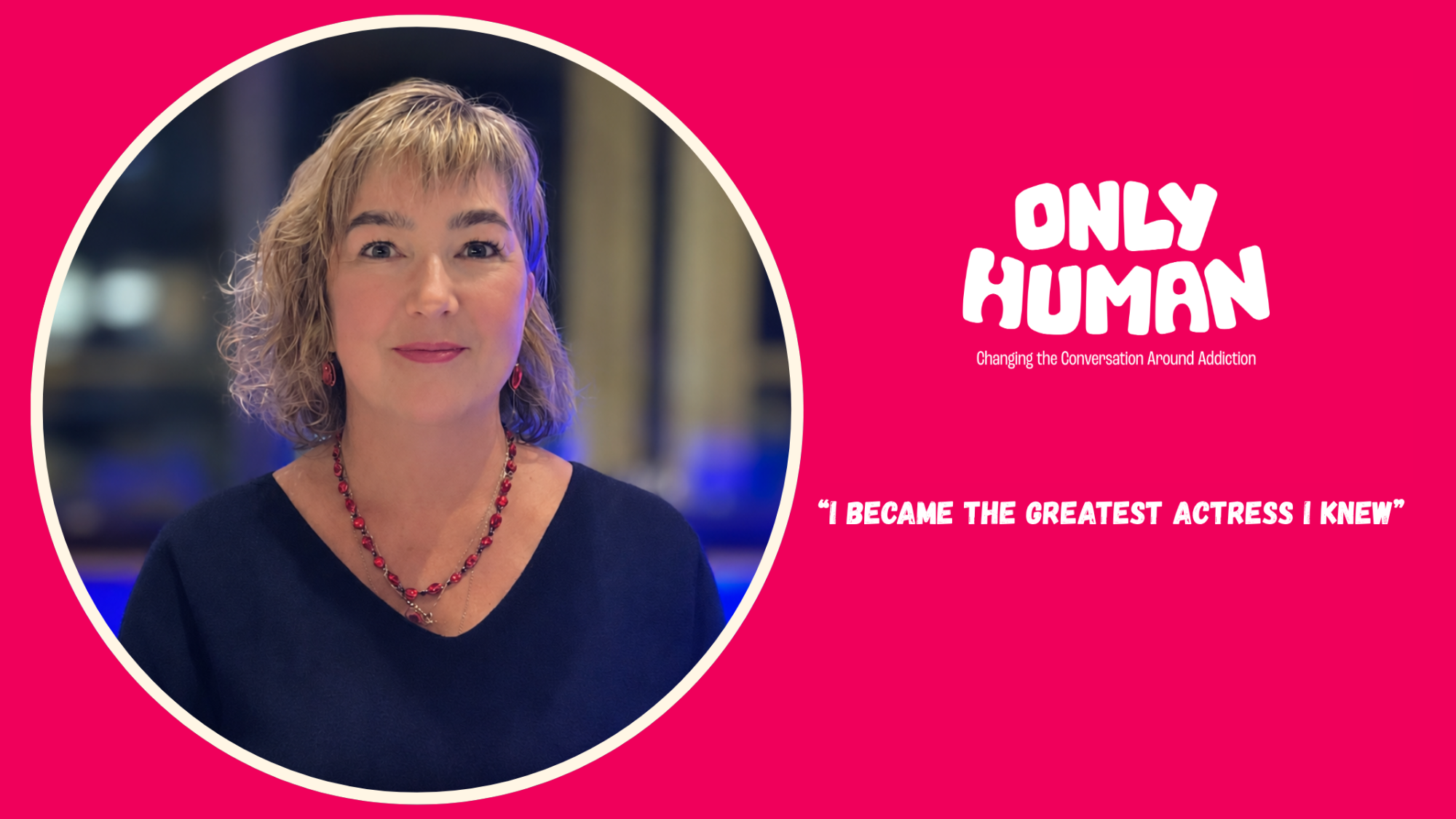
"I became the greatest actress I knew"
Melanie Antoinette's journey through addiction and recovery
Melanie Antoinette is an Only Human Champion, an Adferiad led national anti-stigma campaign that shares individual accounts of lived experience of addiction.
Based in South Wales, Melanie, has shared her direct experience in hopes of inspiring others to take a similar step.
From a young age, she experienced a deep sense of internal struggle, later diagnosed as major depressive disorder at the age of 15.
For much of her life, Melanie felt different but didn’t have the language to explain why. At the age of 50, through a routine conversation with her GP, she received an autism assessment and diagnosis. This was later followed by diagnoses including complex PTSD, social anxiety disorder, and dissociative identity disorder.
These diagnoses brought clarity and helped Melanie understand that many of the challenges she had faced, difficulty expressing herself, social exhaustion, and a sense of not fitting in were not personal failings, but part of a neurodivergent experience shaped by early trauma.
“You are not alone. There is help, and there is a way forward. You don’t have to have all the answers, just the willingness to reach out.”
Early Influences
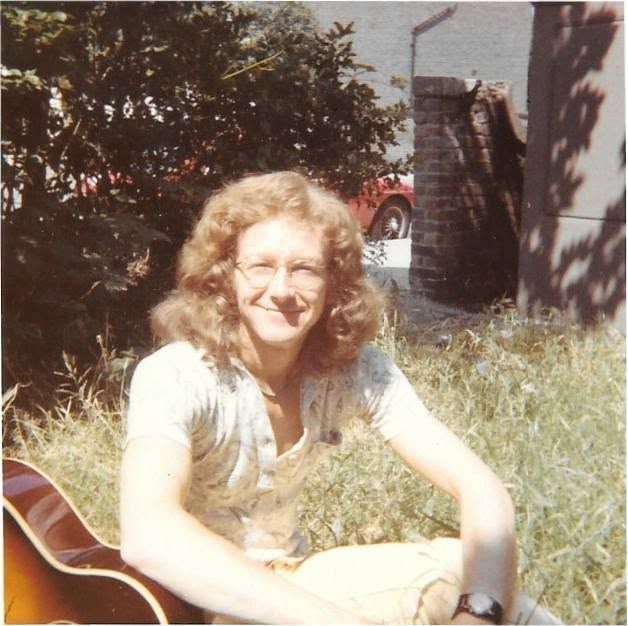
Melanie’s early perceptions of alcohol and drugs were shaped in part by her uncle, Gordon John Edwards, a successful songwriter and multi-instrumentalist active from the late 1960s onwards.
To Melanie, he represented creativity, confidence, and social success. She recalls how his lifestyle appeared glamorous and aspirational, associated with “confidence, money, success, social status, charisma, and connections with creative people.”
At the time, she was unaware he also struggled with depression.
These early associations influenced how she later understood substances, not only as a way of coping, but as something linked to identity, belonging, and confidence.
Growing up, Melanie found it difficult to express her emotions or experiences. Due to autism and selective mutism, she often struggled to communicate and feared judgement or rejection if she tried.
Outwardly, she appeared to be coping. She built a career in IT and telecoms support, and maintained family and professional responsibilities. Internally, however, she was managing significant distress.
Alcohol and recreational drugs became a way to cope with overwhelming thoughts, anxiety, and emotional overload. She describes substances as offering “temporary relief from internal chaos,” helping her to function socially and feel more confident in situations that would otherwise feel impossible.
She describes this period clearly:
“I became the greatest actress I knew.”
The impact of stigma
When Melanie eventually disclosed her struggles, she encountered misunderstanding and judgement. Because she was able to maintain employment and responsibilities, others often struggled to reconcile this with the idea of addiction.
She describes feeling judged and misunderstood, as though her experiences were not valid. This deepened her shame and reinforced isolation at a time when she most needed support.
She began to withdraw further, believing she should be able to manage on her own.
Melanie’s turning point was not a single moment, but a gradual realisation that she could not continue living in the same way.
Her journey of seeking help, however, began much earlier. At around 19, she had her first meaningful contact with support through a family social worker, Janet Kingston, at Richmond Royal Hospital Community Mental Health Team.
She was referred for cognitive behavioural therapy (CBT), which she describes as the beginning of her “Project Melanie” journey. This early support gave her the confidence to continue reaching out, including speaking openly with a trusted GP.
Throughout her life and recovery, Melanie accessed a wide range of support services, including local and national organisations offering mental health, trauma, and specialist support, as well as one-to-one and group therapy.
These experiences helped her begin to build trust, find language for her experiences, and realise she did not have to cope alone.
Even with support available, speaking out was not easy. She describes a deep fear of being judged or misunderstood, which often kept her silent.
“Fear would often visit my thoughts, telling me not to speak. But when hope and faith stepped in, fear lost its place and faded away.”
Over time, with continued support and growing self-awareness, Melanie began to challenge her internal thinking and develop a more compassionate relationship with herself. Recovery became about learning to accept help, rather than managing everything alone.
“Fear would often visit my thoughts, telling me not to speak. But when hope and faith stepped in, fear lost its place and faded away.”
Life today
Today, Melanie describes her life as calmer, more grounded, and more connected. Recovery has allowed her to better understand herself and reduce the shame she once carried.
She has been:
- 25 years sober from recreational drugs
- 16 years sober from alcohol
- 15 years free from nicotine
She values meaningful relationships in her life, including with her husband and daughter, and recognises that some relationships required boundaries to support her wellbeing.
Why sharing her story matters
Melanie now shares her story as part of the Only Human campaign to challenge stigma and highlight the realities of addiction.
She is clear that addiction is not a moral failing, but often a response to trauma, neurodivergence, mental health challenges, and unmet needs. She believes stigma prevents people from seeking help and keeps people isolated.
"I'm proud to be an Only Human Champion because it gives me the opportunity to turn some of the most difficult experiences in my life into something that can help someone else. If my story encourages even one person to reach out for support or see addiction differently, then sharing it has made a difference."
See similar stories